Predictive Modeling and Its Influence on Game Sequence Dynamics in Integrated Betting Platforms
Olivia Hayes · Sep 6, 2026
Predictive Modeling and Its Influence on Game Sequence Dynamics in Integrated Betting Platforms
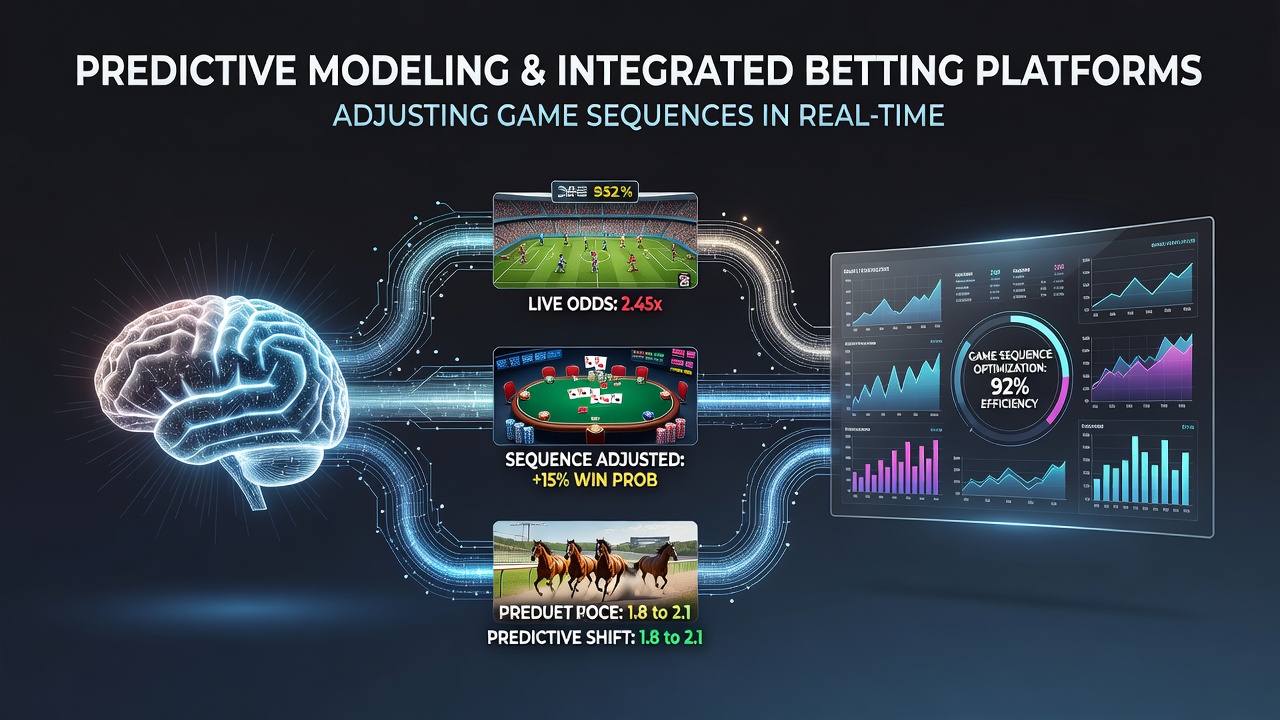
Integrated betting platforms combine slots, table games, sports wagers and live dealer options into single user sessions, and predictive modeling has become the mechanism that reorganizes those sequences based on live data streams. Operators feed historical play records, current session metrics and cross-platform behavior signals into machine-learning frameworks that forecast which game type a user will engage with next, then reorder the lobby or in-app prompts accordingly.
Data Inputs That Drive Sequence Adjustments
Models pull from transaction logs, time-of-day patterns, device type and previous win-loss ratios to generate probability scores for each available title. When a player finishes a slot round the system recalculates the likelihood they will switch to sports betting or a live table and surfaces the predicted option within milliseconds. Studies from university research groups show these calculations rely on gradient-boosted trees and recurrent neural networks that process sequential event data rather than isolated snapshots.
September 2026 figures released by several North American operators indicate that platforms using such models record an average 14 percent increase in cross-product transitions compared with static menu arrangements. The Alcohol and Gaming Commission of Ontario has noted in its technical compliance reviews that these dynamic sequences must still operate inside certified random-number-generator boundaries, yet the ordering of certified games can shift without violating fairness standards.
Real-Time Recalibration Across Linked Systems
Once a player moves from one vertical to another the model updates its state and issues new sequence weights for the remainder of the session. If sports markets slow during a particular evening the algorithm may elevate live dealer tables that historically retain users during similar lulls. This adjustment happens through API calls that push updated lobby rankings to mobile and desktop clients simultaneously, keeping the experience consistent whether the user logs in via app or browser.
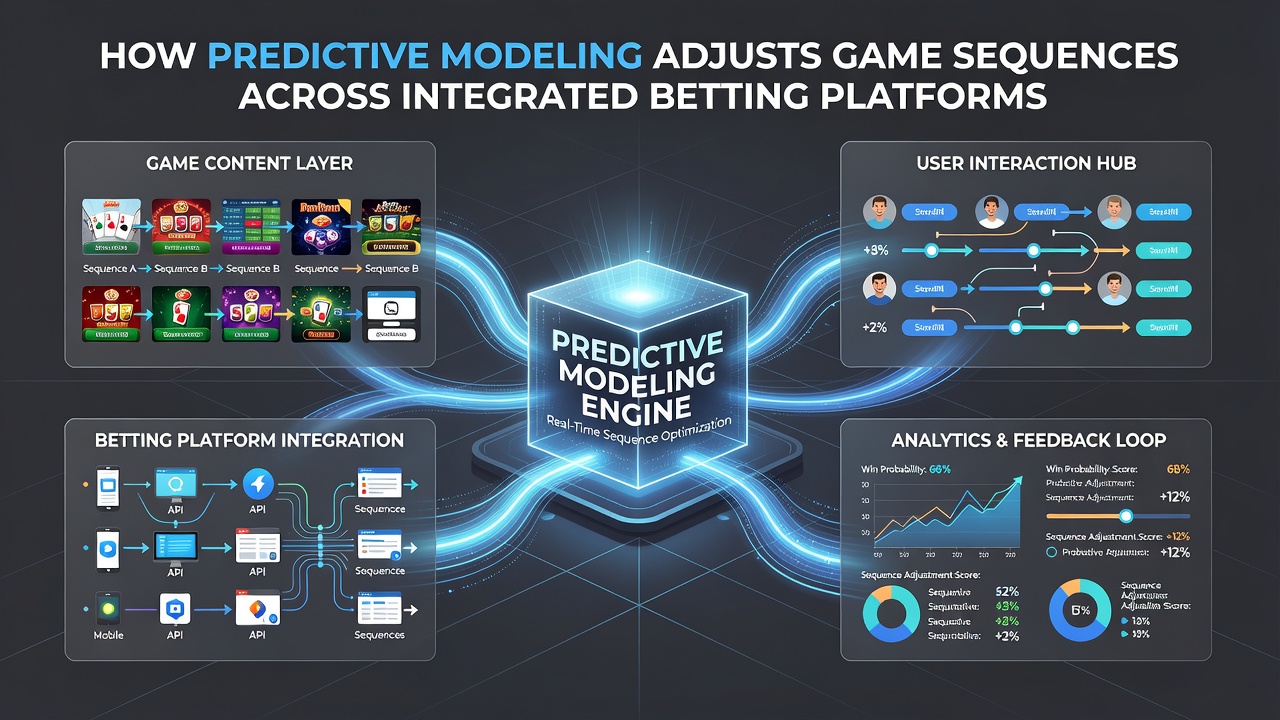
Multi-jurisdictional operators face additional layers because each region maintains distinct certification requirements for game ordering. A sequence approved in one market may require separate validation when the same model runs on servers serving another territory. Compliance teams therefore maintain version-controlled rule sets that the predictive engine consults before issuing any change.
Integration With Loyalty and Bonus Structures
Loyalty programs supply another data stream: accumulated points, tier status and redemption history feed into the same models. When a high-tier player shows signs of session fatigue the system may insert a bonus-eligible game that aligns with past redemption patterns rather than continuing the current sequence. This linkage keeps bonus inventory aligned with predicted demand without manual intervention from marketing teams.
Industry reports compiled by the European Gaming and Betting Association document that operators running unified models across casino and sports products achieve tighter synchronization between bonus triggers and actual play sequences. The same reports record that average session length extends when the model successfully matches game order to individual preference curves.
Technical Architecture Supporting Adjustments
Modern implementations place lightweight inference models at the edge, close to the user session, while heavier training jobs run in centralized data centers overnight. Edge models receive updated coefficients every few hours so sequence recommendations reflect the latest behavioral clusters. Database sharding separates player identifiers from raw game outcome data, allowing rapid queries without exposing personally identifiable information during the inference step.
Latency budgets remain tight: most platforms target sub-200-millisecond response times for sequence updates to avoid perceptible lag. When network conditions push latency higher the system falls back to a cached default order until fresh predictions become available again.
Regulatory Oversight and Audit Trails
Regulators require full audit logs of every sequence change, including the input features, model version and resulting game order presented to the user. These logs enable post-session reviews that verify no uncertified titles entered the flow. The Victorian Commission for Gambling and Liquor Regulation has published technical guidelines that specify minimum retention periods for such logs and the format in which they must be exportable for inspection.
Operators also conduct periodic fairness audits that compare sequence distributions against baseline random ordering. When deviations exceed predefined thresholds the model undergoes retraining with additional constraints that penalize over-optimization toward any single product vertical.
Conclusion
Predictive modeling continues to refine how game sequences appear across integrated betting platforms by ingesting diverse data streams and issuing rapid, rule-constrained adjustments. As September 2026 data streams accumulate, the same frameworks incorporate new variables such as regional event calendars and device-specific interaction patterns. Regulatory frameworks in multiple jurisdictions already accommodate these dynamic systems provided audit trails remain intact and certified game pools stay unchanged. The result is an operational layer that responds to observed behavior while remaining within established compliance boundaries.