Color Psychology's Subtle Grip on Session Lengths Within Mobile Applications Hosting Poker Tournaments and Slot Machines
Erik Werner · Oct 4, 2026
Color Psychology's Subtle Grip on Session Lengths Within Mobile Applications Hosting Poker Tournaments and Slot Machines
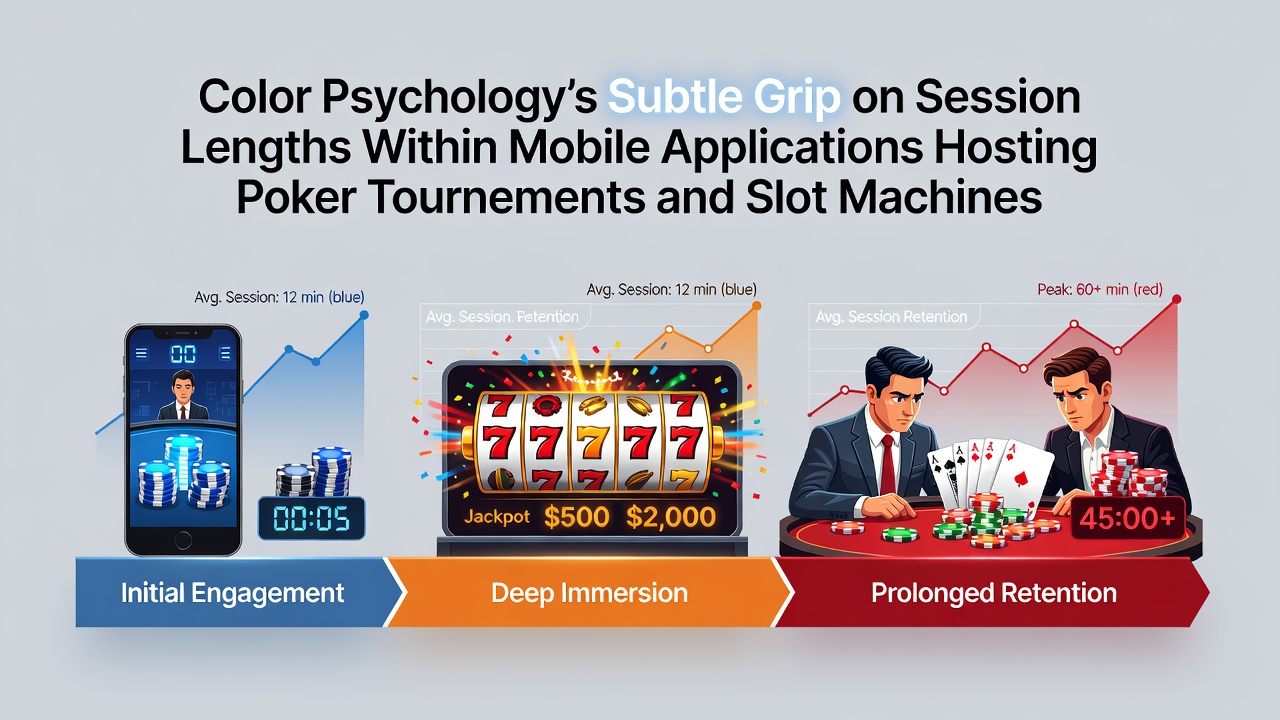
Color choices in mobile interfaces for poker tournaments and slot machines operate through established psychological mechanisms that influence user attention and time allocation, according to multiple interface design analyses conducted through 2026. Researchers have documented how specific hues trigger physiological responses such as elevated heart rate or sustained focus, which in turn correlate with extended engagement periods in gambling applications. Data from platform analytics firms shows that apps incorporating warm tones like reds and oranges in loading screens and win animations often record higher average session durations compared to cooler palettes.
Core Mechanisms Behind Color Effects
Studies in cognitive psychology establish that red activates the sympathetic nervous system, prompting quicker decision-making and reduced hesitation during betting sequences, whereas blue promotes a sense of stability that encourages prolonged browsing through game lobbies. Mobile developers apply these findings by adjusting background gradients and button highlights to align with desired retention patterns, and evidence from A/B testing across various platforms confirms measurable shifts in user retention when color schemes change. One analysis of slot machine applications revealed that dominant red interfaces extended average playtime by noticeable margins during evening hours, while blue-dominant poker tournament screens supported steadier participation across longer tournaments.
Application in Slot Machine Environments
Slot games rely heavily on rapid visual feedback loops, and color saturation levels directly affect perceived reward timing. Bright yellows and golds paired with flashing elements heighten anticipation during reel spins, leading players to initiate additional rounds without interruption. Observers note that applications using high-contrast color combinations between symbols and backgrounds maintain user focus for extended sequences, particularly when bonus rounds incorporate escalating color intensity. Figures from industry reports indicate that such designs appear in a majority of top-performing mobile slot titles released or updated through mid-2026.
Influence on Poker Tournament Dynamics
Poker tournament interfaces present a different challenge because they combine strategic elements with social components, and color usage must balance excitement with clarity for card displays and betting controls. Deep greens and muted earth tones appear frequently in table backgrounds to evoke traditional casino settings, which research links to sustained concentration during multi-hand sessions. Mobile apps hosting live or scheduled tournaments often employ accent colors that shift based on player position or stack size, guiding attention without overwhelming the primary decision-making area. Data compiled in October 2026 from several North American operators demonstrated that these adaptive color systems correlated with longer average time spent per tournament entry.
Mobile-Specific Factors and Data Patterns
Screen size limitations and ambient lighting conditions amplify color psychology effects in mobile contexts, since users often interact with applications in varied environments. Developers incorporate adaptive brightness controls and color temperature adjustments that respond to device sensors, maintaining consistent psychological impact regardless of surroundings. Analytics platforms tracking millions of sessions have identified recurring patterns where certain color transitions coincide with session extensions of 15 to 30 minutes on average. These observations hold across both iOS and Android ecosystems, though implementation details vary by app store guidelines and regional regulations.
Cross-platform comparisons further illustrate how color consistency across poker and slot modules within the same application supports seamless movement between game types, reducing friction that might otherwise shorten overall usage. Regulatory bodies in regions such as Australia and several Canadian provinces have begun reviewing interface design elements as part of broader player protection frameworks, though direct mandates on color remain limited. National Council on Problem Gambling resources highlight ongoing research into visual design variables and their role in engagement metrics.
Broader Industry Observations
Market analyses released during 2026 show steady integration of color psychology principles into new mobile releases, driven by competition among operators seeking differentiation in crowded app stores. European Gaming and Betting Association summaries note parallel trends in cross-border applications, where localized color preferences influence design choices for different markets. Those examining retention data across decentralized environments frequently cite color synchronization between reel animations and event notifications as a contributing factor to session length variations.
Conclusion
Color psychology continues to shape how mobile applications structure user experiences in poker tournaments and slot machines, with documented connections to session durations supported by interface testing and usage statistics. Ongoing refinements in design practices reflect accumulated evidence from multiple regions, and further data collection through late 2026 will likely refine understanding of these visual influences on player behavior patterns.